
West Virginia's Do Not Text laws ban mobile device use while driving, except for hands-free functions. Violations result in fines and license suspensions, with increased penalties for repeat offenders. Local authorities enforce these laws, achieving modest success in reducing distracted driving accidents. To comply, drivers should enable Do Not Disturb modes and keep phones out of reach. A lawyer for Do Not Text Laws West Virginia is crucial for understanding regulations, defending against charges, and mitigating penalties. Engaging legal expertise early can significantly impact case outcomes.
Texting while driving is a pervasive issue with severe consequences. In West Virginia, violations of Do Not Text laws carry penalties including fines and license suspensions. These penalties aim to deter dangerous behavior and save lives, but understanding the full scope of implications is crucial. This article delves into the specific penalties associated with texting while driving in West Virginia, offering valuable insights for both residents and visitors. Engaging the services of a lawyer specializing in Do Not Text laws West Virginia can provide additional guidance and advocacy in navigating these regulations.
Understanding West Virginia's Do Not Text Laws

West Virginia's Do Not Text laws are designed to combat distracted driving, specifically targeting drivers who use their phones while behind the wheel. These laws, enforced rigorously by local authorities, include strict penalties such as fines and license suspensions. Understanding these regulations is crucial for all drivers in West Virginia. A lawyer specializing in West Virginia's Do Not Text Laws can offer valuable guidance tailored to state-specific rules.
The primary law, codified under West Virginia Code § 17A-4-23(a), prohibits the use of a mobile device while operating a motor vehicle unless it is being used in a hands-free mode for navigation or communication purposes. This includes sending text messages, accessing social media, and using mapping applications. Law enforcement officers can pull over drivers who are suspected of violating this law based on observable signs of distraction. Consequences for a first offense typically include a fine ranging from $100 to $200, with potential points added to the driver's license. Repeated offenders face more severe penalties, including extended license suspensions.
Recent studies indicate that distracted driving claims have decreased slightly in West Virginia since the implementation of these laws, suggesting their effectiveness in reducing accidents caused by phone use while driving. However, enforcement remains a priority for state and local law enforcement agencies. To ensure compliance, drivers are encouraged to enable Do Not Disturb modes while driving and keep their phones out of reach. Consulting with a lawyer for Do Not Text Laws West Virginia can help individuals understand the intricacies of these regulations and navigate any legal issues that may arise.
Potential Penalties: Fines and License Suspensions

In West Virginia, violating the state's Do Not Text Laws can lead to significant penalties, including substantial fines and license suspensions. Fines for texting while driving range from $100 to $1000, with repeat offenders facing even higher amounts. These penalties aim to deter drivers from engaging in this dangerous behavior, which significantly increases the risk of accidents. License suspensions, meanwhile, can last from 30 days up to a year or more, depending on the severity of the offense and the driver's prior record.
A lawyer specializing in West Virginia's Do Not Text Laws plays a crucial role in guiding individuals facing these charges. They can help navigate the legal complexities, ensuring clients understand the potential consequences and exploring all available defenses. For instance, if a text was sent from a moving vehicle but there was no evidence of distracted driving, a skilled lawyer could argue for reduced penalties. Additionally, they can assist with negotiations and represent their clients in court to mitigate the impact of these severe penalties.
It's important to remember that these penalties serve as deterrents and are designed to promote road safety. Therefore, when faced with charges, individuals should seek advice from a qualified lawyer who understands West Virginia's laws and has experience handling such cases. Prompt action can help minimize damage and ensure a fair outcome in court.
The Role of a Lawyer in Texting Cases

In West Virginia, texting while driving is a serious offense, with penalties including fines and license suspensions. When it comes to cases involving Do Not Text laws, the role of a lawyer cannot be overstated. Legal experts, particularly those specializing in traffic law, play a crucial part in navigating these complex issues. Their expertise is invaluable for several reasons.
Firstly, they help interpret the state's legislation regarding texting and driving. West Virginia has implemented stringent measures to deter this behavior, recognizing its potential for causing accidents. A lawyer for Do Not Text laws West Virginia can explain the specific sections of the law, ensuring that clients understand their rights and obligations. For instance, they would guide a client on how to challenge excessive fines or explain procedures for appeal if a license suspension is imposed.
Moreover, these legal professionals possess in-depth knowledge of case precedents and judicial interpretations. They can analyze similar past cases to devise effective strategies for defense. Data suggests that text messaging while driving increases the risk of a crash by 23 times, according to the National Highway Traffic Safety Administration (NHTSA). Lawyers stay abreast of these statistics and use them to build robust defenses, often arguing that the actions leading to an accident were not solely attributable to texting.
For instance, they might present mitigating circumstances, such as sudden medical emergencies or unexpected events, to demonstrate that the driver's attention was momentarily diverted but swiftly refocused on the road. Engaging a lawyer for Do Not Text laws West Virginia early in a case can significantly impact its outcome, potentially reducing penalties and ensuring compliance with the law.
Navigating Legal Defenses for Drivers

Navigating legal defenses for drivers charged under West Virginia's Do Not Text laws is a complex process requiring careful consideration and expert guidance. While the penalties, including fines and license suspensions, are designed to deter distracted driving, individuals facing these charges have rights and options that should not be overlooked. A strategic defense strategy can significantly impact the outcome of such cases.
One common defense approach involves challenging the admissibility of evidence. This includes questioning the method of data collection from mobile devices, as well as the accuracy and relevance of text messages recovered. For instance, if law enforcement fails to obtain a warrant or follows improper procedures during a search, the court may suppress the evidence, leading to a potential dismissal or reduced charges. Engaging a lawyer specializing in Do Not Text laws West Virginia can help clients understand these legal nuances and build a robust defense.
Additionally, establishing a reasonable doubt is a powerful strategy. Lawyers can examine the circumstances surrounding the incident, such as inconsistent witness statements or lack of physical evidence linking the driver to the text message. They might also argue that the driver was unaware they were violating the law, especially in cases where hands-free devices were used. By presenting alternative explanations and leveraging specific legal loopholes, a lawyer for Do Not Text laws West Virginia can help minimize penalties and protect a driver's license.
How to Avoid and Mitigate Consequences
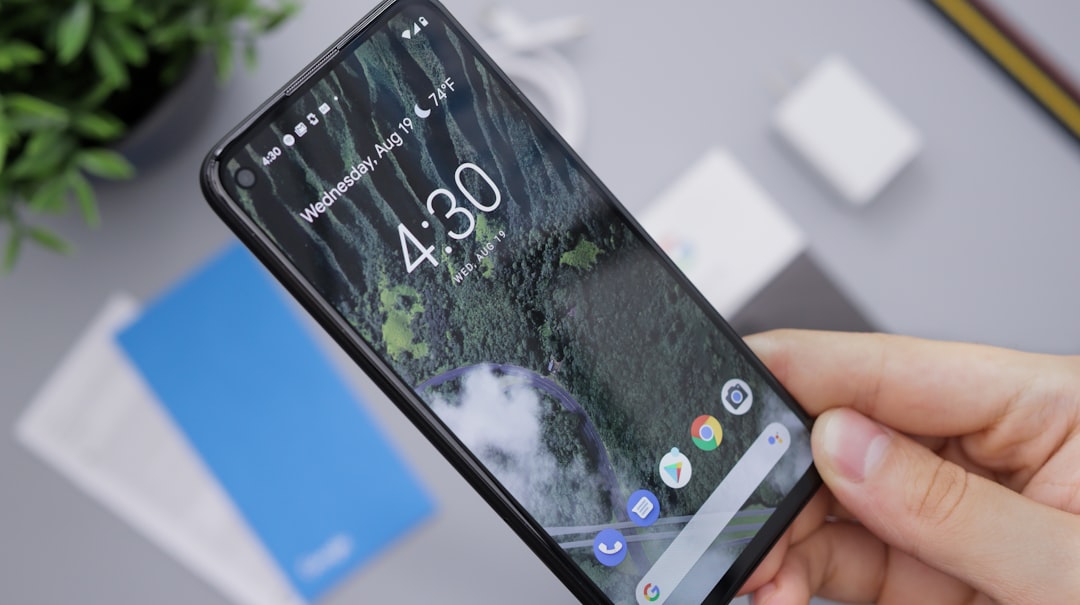
Texting while driving is a pervasive problem in West Virginia, with severe consequences. Penalties include fines, license points, and suspensions, impacting both your wallet and freedom behind the wheel. To avoid these pitfalls, understanding and adhering to state laws are paramount. A lawyer specializing in West Virginia's Do Not Text Laws can offer invaluable guidance tailored to your situation.
Proactive measures are key. First, stay focused on the road—avoid distractions like phones or other electronics. Second, plan ahead; if you need to send a message, pull over to a safe location. Remember, a few seconds of delay can save you from costly mistakes. West Virginia's laws are designed to deter texting and driving, with penalties escalating for repeat offenders. Therefore, education and compliance are crucial to mitigate consequences.
For instance, data shows that distracted driving, including texting, accounts for a significant portion of accidents in the state. A lawyer for Do Not Text Laws West Virginia can provide specific strategies to navigate these laws effectively. This includes understanding the legal definitions of "texting" and "distracted driving," recognizing potential loopholes, and knowing when to challenge evidence if necessary. By staying informed and taking preventive steps, individuals can protect themselves from severe penalties while promoting safer roads for all.