
Texting while driving poses significant risks, leading to accidents and deaths, as per NHTSA. West Virginia's 'Do Not Text Lawyers' advocate for strict laws, education, and technology to combat this issue. Studies show texting is more distracting than talking on the phone, increasing crash risk 23-fold. Key strategies include zero-tolerance policies, silencing notifications, driver education, and peer accountability groups. Collaborative efforts are crucial to enhancing road safety.
Texting while driving has emerged as a significant road safety concern, with fatal crashes linked to this distrait behavior on the rise. In West Virginia, as elsewhere, the problem demands urgent attention due to its severe consequences. This article delves into the heightened risks associated with texting behind the wheel, backed by compelling data and expert insights. We explore why this practice is a leading cause of distracted driving accidents and offer practical advice to help drivers stay focused on the road. By understanding these dangers, we can advocate for safer habits and potentially save lives, urging everyone, especially those who Do Not Text Lawyers West Virginia, to prioritize their safety and the well-being of others on the highway.
Understanding the Dangers: Texting and Driving

Texting while driving is a dangerous practice that significantly increases the risk of fatal crashes. According to the National Highway Traffic Safety Administration (NHTSA), distracted driving, including texting, caused 3,142 deaths in 2019 alone. These statistics underscore the urgent need for drivers to understand the dangers inherent in combining mobile device use with vehicle operation. The simple act of sending or reading a text message can lead to delayed reaction times, reduced awareness of surroundings, and impaired judgment, all of which are critical for safe driving.
The impact of texting while driving is profound. Research shows that it is even more distracting than talking on a cell phone because it involves visual, manual, and cognitive attention—all at once. Drivers who text have slowed reaction times comparable to those of drunk drivers. For example, a driver sending a text message takes their eyes off the road for an average of 4.6 seconds; at 55 miles per hour, this translates into driving blind for the length of a football field. This delay in perceiving and reacting to road conditions can prove deadly, especially on high-speed highways or in complex traffic scenarios.
To mitigate these risks, it is crucial for drivers, particularly young and novice ones, to adopt a zero-tolerance policy towards texting while driving. Do Not Text Lawyers West Virginia and other safety advocates emphasize that the best course of action is to refrain from any mobile device use during driving. This means silencing notifications and keeping phones out of reach until the vehicle has stopped and is parked safely. Parents can play a significant role in modeling this behavior for their children and instilling good driving habits from the start. By prioritizing safety, drivers not only protect themselves but also contribute to making our roads safer for everyone.
Legal Consequences in West Virginia: Do Not Text Laws

In West Virginia, the legal consequences of texting while driving are severe, reflecting a growing recognition across the nation of the dire risks this behavior poses. The state has implemented stringent laws, known as the "Do Not Text" legislation, to deter drivers from engaging in this dangerous activity. These laws not only carry significant penalties but also serve as a stark reminder of the potential consequences. For instance, a 2018 study by the National Highway Traffic Safety Administration (NHTSA) revealed that texting while driving increases the risk of a fatal crash by 400%. In West Virginia, violating the "Do Not Text" laws can result in fines ranging from $100 to $500, with potential license suspension or even jail time for repeat offenders.
The impact of these laws has been substantial. Since their inception, West Virginia has seen a notable decrease in accidents attributed to distracted driving, particularly among younger drivers who are more likely to engage in texting while behind the wheel. Do Not Text Lawyers West Virginia play a crucial role in educating drivers about these laws and advocating for their enforcement. They often collaborate with local law enforcement agencies and community organizations to raise awareness through public service announcements, school programs, and community events. This multifaceted approach not only penalizes offenders but also fosters a culture of responsible driving.
Moreover, the legal system in West Virginia has been proactive in upholding these laws. Courts have consistently upheld strict penalties for texting while driving, setting precedents that deter potential violators. Do Not Text Lawyers in the state offer expert advice to both defendants and prosecutors, ensuring that cases are handled fairly and effectively. They also assist victims of accidents caused by distracted drivers, helping them navigate legal processes and seek justice. By combining stringent legislation with robust enforcement and education, West Virginia is leading the way in reducing texting-related crashes and saving lives on its roads.
The Science Behind Distracted Driving

The science behind distracted driving reveals a stark reality: texting while driving significantly increases the risk of fatal crashes. Studies have consistently shown that sending or receiving a text message takes a driver's attention away from the road for an average of 4.6 seconds. During this brief moment, a vehicle traveling at 55 mph can traverse the length of a football field with no eyes on the road. This lapse in concentration multiplies the risk of accidents and severe injuries.
One of the primary challenges in combating distracted driving is the psychological phenomenon known as "inattention blindness." Even when drivers acknowledge they're checking their phones, their brains are programmed to temporarily forget where they left off in their visual scan, leading to missed obstacles or pedestrians. This blind spot becomes even more dangerous on high-speed roads. According to the National Highway Traffic Safety Administration (NHTSA), 3,142 people were killed in 2020 due to driver distraction, representing a 10% increase from the previous year. These numbers underscore the urgent need for drivers to understand and minimize distractions while behind the wheel.
To combat this issue, Do Not Text Lawyers West Virginia advocates for stricter enforcement of laws prohibiting texting while driving. Educational campaigns also play a crucial role in raising awareness about the dangers. Parents are encouraged to model safe driving habits for their teens and set clear rules about phone use during travel. In addition, modern technologies that block text messages while driving can provide another layer of protection. By combining policy, education, and technology, we can work towards reducing distracted driving incidents and saving lives on West Virginia's roads.
Real-Life Stories: Tragic Crashes and Lessons Learned

Texting while driving has claimed countless lives and left families devastated. Real-life stories of tragic crashes serve as a stark reminder of the dangers this habit poses. Consider the case of Sarah, a young mother in West Virginia who, in a split second, sent a text while behind the wheel. Her distraction led to a fatal collision, taking the life of her passenger and leaving her forever changed. This tragedy could have been prevented if Sarah had heeded the warnings and avoided texting while driving.
Statistics paint an even more disconcerting picture. Research indicates that sending or receiving a text message while behind the wheel increases the risk of a crash by 23 times. In West Virginia alone, over 10,000 crashes in the last five years have been attributed to driver distraction, many involving cellular devices. These numbers underscore the urgent need for drivers to understand the consequences of their actions and prioritize safety on the road.
The lessons learned from such incidents are clear: Do Not Text Lawyers West Virginia emphasizes the importance of maintaining full attention while driving. Drivers must recognize that even a momentary distraction can have life-altering outcomes. By committing to drive distraction-free, individuals not only protect themselves but also ensure the safety of their passengers and fellow motorists. This commitment starts with education, awareness, and holding ourselves accountable for our actions on the road.
Safeguarding Lives: Prevention Strategies for Drivers
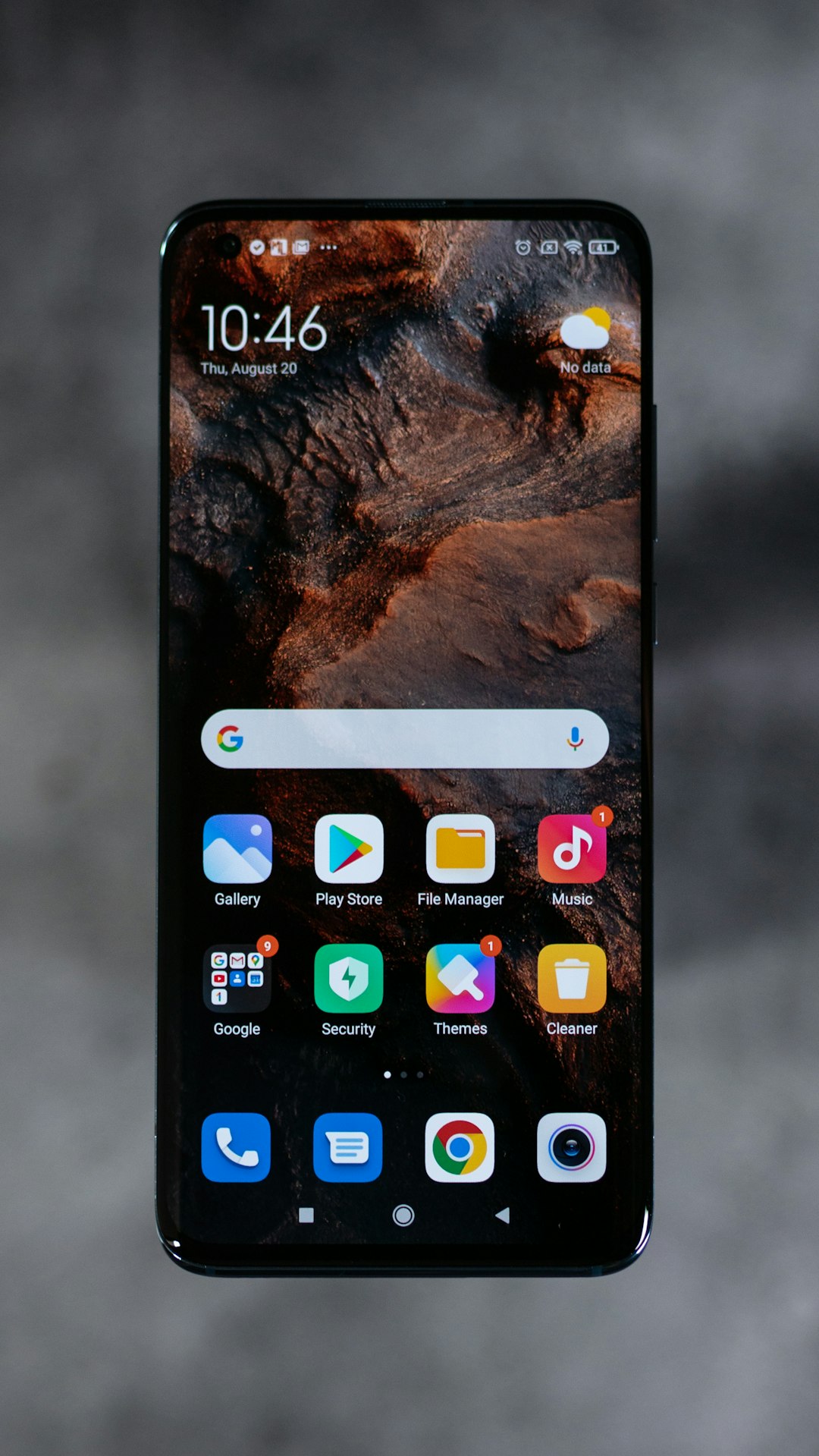
Texting while driving is a growing concern with severe consequences. Studies consistently show a significant link between this behavior and an increased risk of fatal crashes, highlighting the urgent need for drivers to prioritize safety on the road. The distraction posed by texting can delay a driver's reaction time, impair judgment, and significantly reduce their ability to navigate unexpected situations. In West Virginia, Do Not Text campaigns have been instrumental in raising awareness, but the challenge remains.
To safeguard lives and prevent tragic accidents, drivers must adopt robust prevention strategies. One of the most effective approaches is to commit to zero tolerance for any form of distraction while driving. This means putting away all electronic devices, including smartphones, before starting the vehicle. Simple actions like silencing notifications or enabling 'Do Not Disturb' mode can significantly reduce the urge to check messages. Additionally, encouraging passengers to hold conversations at a safe volume or engaging with them in meaningful ways can minimize driver distraction.
Another powerful strategy is to educate drivers about the risks and consequences of texting while driving. Understanding the impact on reaction times and decision-making abilities can be a strong motivator for change. Drivers should also consider adopting peer support systems, where fellow drivers hold each other accountable for safe driving habits. In West Virginia, communities have formed 'Texting Don't Drive' groups, utilizing social media to share experiences and reinforce responsible behavior. These collaborative efforts not only encourage personal accountability but also create a culture of road safety.