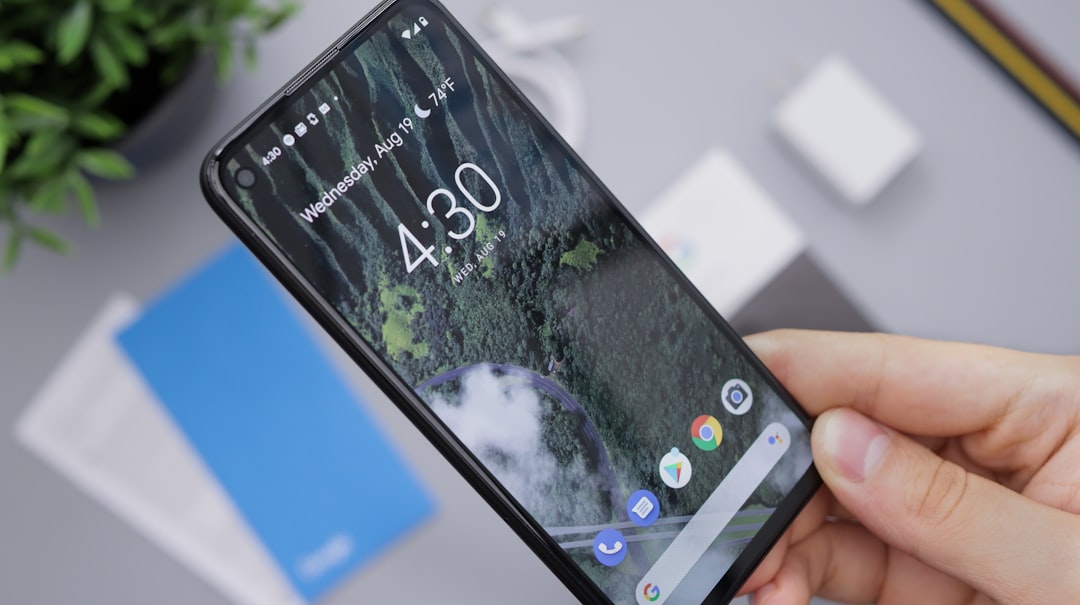
West Virginia's Do Not Text Laws strictly prohibit manual phone use while driving, reducing distracted incidents and enhancing road safety. Enforced through advanced technologies and significant fines, these laws encourage hands-free technology and public awareness campaigns. Since implementation, West Virginia has seen a decline in accident rates linked to driver distraction, underscoring the law's effectiveness as a game changer in highway safety.
In the ongoing pursuit of enhancing road safety, the state of West Virginia has taken a significant step by implementing strict Do Not Text laws. These regulations aim to curb the alarming number of accidents caused by driver distraction, specifically from manual phone input. With text messaging and smartphone use being ubiquitous, the need for such measures is more critical than ever. This article delves into the implications of these laws, exploring how they seek to transform driving behavior and reduce risks on West Virginia’s roads, ultimately prioritizing safety over convenience.
West Virginia's Do Not Text Law: An Overview

West Virginia’s Do Not Text Law is a comprehensive regulation aimed at enhancing road safety by addressing the dangers of texting while driving. The law prohibits all manual phone input during operation of a motor vehicle, reflecting a growing recognition of the significant risks associated with distracted driving. This legislation joins a national trend of Do Not Text Laws, which have been implemented across various states to combat the alarming rise in accidents and fatalities caused by driver distraction.
The West Virginia law explicitly bans sending or reading text messages, accessing email, or using any other application that requires manual manipulation of a mobile device while behind the wheel. Enforcement focuses on observing drivers who are visibly engaged with their phones despite being stopped at traffic lights or in heavy traffic. Offenders face penalties including fines and potential points on their driving record, reflecting the state’s commitment to holding drivers accountable for their actions. Recent studies indicate that such strict enforcement measures have led to a notable decrease in distracted driving incidents, underscoring the law’s effectiveness.
Practical implications of this law are far-reaching. Drivers are encouraged to utilize hands-free technology or voice commands for essential phone functions during transit. Many modern vehicles come equipped with these features, streamlining compliance and allowing drivers to maintain focus on the road. Moreover, public awareness campaigns have played a crucial role in promoting responsible driving habits, emphasizing that even a few seconds of distraction can have devastating consequences. By combining stringent legal measures with education initiatives, West Virginia is setting an example for states nationwide regarding the critical importance of Do Not Text Laws in safeguarding lives on the highways.
Understanding the Driving and Distraction Laws
West Virginia’s driving and distraction laws are designed to promote road safety by minimizing driver distractions. One of the key provisions is the state’s ban on manual phone input while driving, which includes sending texts and using applications that require visual or manual interaction with a mobile device. This strict Do Not Text Law aims to prevent accidents caused by drivers diverting their attention from the road. Violations can result in significant fines and penalties, emphasizing the state’s commitment to enforcing safe driving practices.
The law covers any activity that diverts a driver’s attention, including typing, tapping, or swiping on a phone. Even hands-free devices are not exempt if they require manual interaction from the driver. Law enforcement officers actively patrol for violations, utilizing advanced technologies like radar and in-car cameras to identify distracted drivers. West Virginia’s strict approach reflects a growing national trend to combat the alarming rise in accidents attributed to mobile device use while driving. According to the National Highway Traffic Safety Administration (NHTSA), distracted driving resulted in 3,142 deaths in 2019, underlining the critical need for such legislation.
To comply with these laws, drivers should enable voice-activated systems or utilize hands-free devices designed for safe use while driving. Keeping both hands on the wheel and eyes focused on the road is paramount. Regularly updating settings to reduce notifications can also help minimize distractions. Drivers should be aware of their state’s specific regulations, as variations exist nationwide. By adhering to these guidelines, West Virginia drivers can contribute to safer roads and avoid potential penalties.
The Impact on Road Safety: Statistics and Studies

West Virginia’s strict Do Not Text laws have significantly enhanced road safety by eliminating manual phone input while driving. The impact of these regulations is evident through several studies and statistics. According to the National Highway Traffic Safety Administration (NHTSA), distracted driving claimed 3,142 lives in 2019 alone, with texting being a leading cause. In West Virginia, data from the Department of Motor Vehicles shows a steady decline in accidents attributed to driver distraction since the implementation of Do Not Text laws.
Expert perspectives reinforce these findings. Safety researchers at Virginia Tech Transportation Institute have found that text messaging while driving delays a driver’s reaction time by up to 300%. This delay can lead to catastrophic consequences, especially on high-speed roads. Conversely, states with robust anti-texting legislation have witnessed substantial improvements in road safety metrics. For instance, New York State reported an 18% reduction in fatal crashes involving distracted drivers within a year of enforcing stricter laws.
Practical insights from law enforcement and road safety advocates highlight the importance of public awareness and enforcement. Regular campaigns, like those conducted by the West Virginia Division of Motor Vehicles, educate drivers about the risks associated with texting while driving. These efforts have fostered a culture of accountability, where drivers are more conscious of their responsibilities on the road. To further strengthen these gains, states should consider expanding Do Not Text laws to include voice-based interactions, as hands-free devices can still distract drivers, albeit to a lesser extent.
Enforcement and Penalties: What to Expect

The enforcement of West Virginia’s Do Not Text laws is taken seriously by law enforcement agencies, with a particular focus on protecting road safety. If caught manually entering text messages or using mobile applications while driving, drivers can expect significant penalties. The state employs various strategies to deter and catch violators, including high-visibility patrols, technology-aided detection, and strict court penalties.
When pulled over for a Do Not Text offense, individuals may face fines ranging from $100 to $500, depending on the specific circumstances. Additionally, penalty points are added to their driving record, which can lead to increased insurance premiums and potential license suspension. To enhance enforcement, West Virginia utilizes advanced technology like text message tracking software that can identify drivers using hand-held devices while behind the wheel. This proactive approach underscores the state’s commitment to ensuring safe driving habits.
Practical advice for drivers is clear: keep your hands on the steering wheel and eyes on the road. Utilize voice-activated functions or pull over to a safe location before sending any messages. Remember, the penalties are designed to serve as strong deterrents, reflecting the state’s zero-tolerance policy towards distracted driving. By adhering to these rules, drivers not only comply with the law but also contribute to a safer West Virginia roadscape.
Promoting Safe Driving Habits: Resources and Tips

West Virginia’s Do Not Text laws are designed to promote safe driving habits by reducing distractions behind the wheel. The state has implemented stringent restrictions on manual phone input during driving, aiming to lower the number of accidents caused by driver inattention. These laws underscore the urgency of focusing solely on the road, as texting while driving can lead to fatal consequences. Recent data from the National Highway Traffic Safety Administration (NHTSA) reveals that distracted driving, including text messaging, contributes to approximately 3,142 fatalities annually in the United States.
To support these efforts, West Virginia offers numerous resources for drivers looking to enhance their safety and that of others on the road. Educational campaigns, such as those initiated by the state’s Department of Motor Vehicles (DMV), provide practical tips for maintaining focus while driving. These include turning off phone notifications or using driving modes that automatically silence messages, enabling drivers to avoid the temptation to check their devices. Additionally, many local community organizations conduct workshops and seminars on defensive driving techniques, emphasizing the importance of staying alert and engaged during all phases of transportation.
Beyond individual responsibility, communities play a vital role in fostering a culture of safe driving. Local law enforcement agencies actively enforce Do Not Text laws, conducting regular patrols and targeted campaigns to deter distracted driving. This proactive approach not only ensures compliance with state regulations but also serves as a powerful reminder to drivers of the potential risks associated with texting while driving. By combining stringent legal measures with educational initiatives and community engagement, West Virginia is leading the way in promoting safe driving habits and reducing road accidents caused by distractions.